Catch of the Day – A Guide to Crabbing at the Seaside
If you're all about having family fun by the sea, we've got the perfect activity that'll have you hooked! Crabbing is a beach activity that can be enjoyed all year round, it's a fantastic way to introduce little ones to marine life. Just picture the joy on their faces as they try to catch those scuttling crabs! There's no need for any fancy equipment either, just some enthusiasm and a bit of know-how.
At Millets, we believe that exploring the great outdoors is all about creating happy memories together. And what better way to do that than trying out a new activity together? To help you get the most fun out of crabbing, we’ve put together a guide with some of our top tips, best locations and basic equipment to help get you started. So, grab your nets, put on your sun hats and let's dive in!

Jump to a Topic
What Is Crabbing?
Crabbing is a popular traditional British seaside activity. It's all about catching crabs that live in the water close to the shore using basic tools like nets or traps. It's an affordable activity for kids and grown-ups to enjoy during holidays at the beach. Crabbing might sound tricky at first, but don't worry! With a little patience, you'll become a crab-catching pro in no time.
We're all familiar with how the British weather likes to keep us guessing. Those perfect sunny beach days we wish for don't always come true. But when it comes to crabbing, it doesn't matter if the weather is playing nice or being a bit moody – crabbing is still an exciting holiday activity for all the family.

All About Crabs
Did you know that British beaches are home to all sorts of crustaceans? You can find common shore crabs, hermit crabs and even lobsters and barnacles!
Crabs are fascinating creatures that have a roundish body, ten legs and two big powerful pincers. They're easy to spot because they walk sideways! Crabs are scavengers, meaning they eat lots of different things like plants, tiny fish and even other small animals.
Crabbing offers kids a chance to get up close to these unique creatures. They'll be able to see the different types of crabs, where they live and their role in the coastal ecosystem. It can be a great way to give them a lesson on the importance of protecting our oceans while having a blast.

What Equipment Do I Need to Go Crabbing?
As we mentioned earlier, there's no need for fancy equipment to try your hand at crabbing. Simple gear like a net and a bucket are often all you need to get started and have a fantastic time by the water. Using bait will significantly increase your chance of catching crabs too. Crabs have an excellent sense of smell so raw bacon, fish scraps, fish heads or anything super smelly are ideal!
We've come up with a list of some of our top recommendations to help you successfully catch those crabs.
Wilton Bradley Yello Medium Crab Lane with Net
£2.50
Immerse your young adventurers in the thrill of crabbing as they explore rocky shorelines and uncover the mysteries of rockpools. This Crab Line is designed for safe crabbing and is crafted to replicate the crab's natural habitat. The included net offers a perfect sanctuary for their newfound marine friends. Add rocks and seaweed, dangle bait from the line and release crabs gently.
Shop Yello Medium Crab Lane With NetBlueZone Shrimp Fishing Net With Handle
£3.00 £4.00
Nets are indispensable for crabbing, providing a safe and efficient way to catch crabs. This net features a mesh design and a long handle so it's perfect for mimicking the crabs' natural habitat while allowing for easy examination. By gently placing bait within, nets entice crabs, ensuring a fascinating and respectful hands-on experience for crabbers of all ages.
Shop Shrimp Fishing Net With HandleBlueZone 5 Litre Clear Crab Bucket
£3.00 £4.25
A bucket is an essential tool for crabbing, offering a secure and temporary home for caught crabs. This bucket has a capacity of 5 litres so there's plenty of room for observing these fascinating creatures up close before their safe release. Fill up with seawater, seaweed and pebbles to replicate a crab's natural habitat!
Shop 5 Litre Clear Crab BucketWhat Should I Wear?
Crabbing requires a lot of patience so it's best to keep an eye on the weather so you can dress comfortably and be prepared for any weather changes.
On sunny and hot days, beach clothes are absolutely fine. Make sure to pack some sun cream to protect your skin from harmful UV rays and consider a sun hat for extra protection, especially for young adventurers. Remember to pack a hoodie or sweatshirt in your bag for those just-in-case moments when the evenings get cooler.
In the case of wet and windy weather, investing in a waterproof jacket is a smart choice, and layering up with fleeces and midlayers can help regulate body temperature.
While closed-toed shoes and gloves are optional, they can be beneficial, especially since crabs might give a pinch in self-defence!

Best Crabbing Locations in the UK
Spring, summer and early autumn are generally the best seasons for crabbing in the UK. Crabs are more active and tend to be closer to the shore during these months.
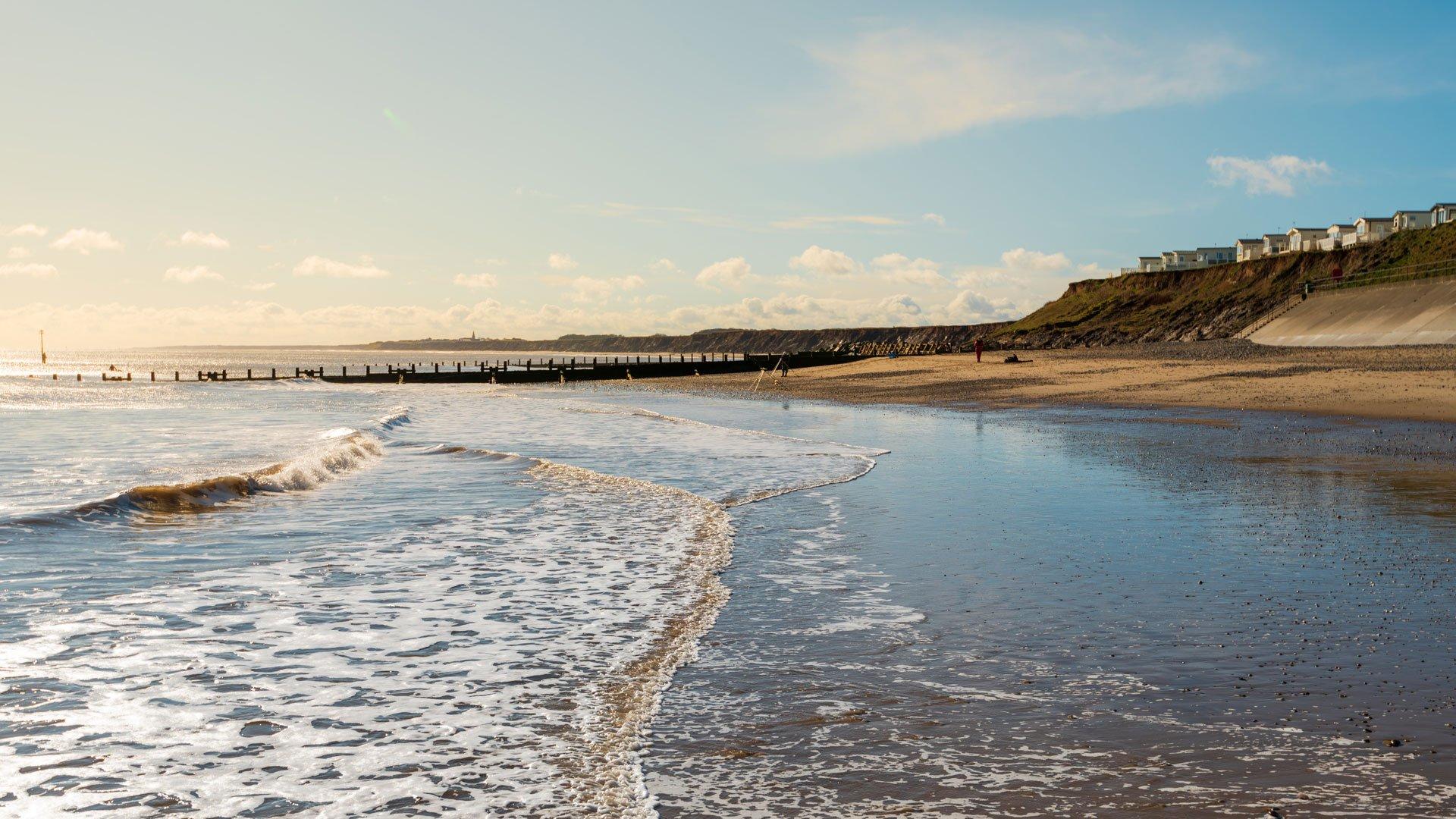
Most beaches will have great spots for crabbing, whether it's on the shoreline or off a pier. Crabbing can be done at high tide and low tide, but the best time is just before the tide begins to rise and then up to two hours after high tide. Look for calm waters and pools near the shore left by the retreating sea.
The UK is home to many fantastic beaches and locations for crabbing. Here are a few of our favourite spots:
• Dorset
Dorset's stunning coastline is home to many excellent crabbing locations, from the sandy shores of Weymouth to the playful rock pools of Bournemouth. These family-friendly spots offer shallow waters ideal for catching crabs. And if you're up for more adventure, why not try out some fossil hunting at the Jurassic Coast!
• Rhossili Bay, Swansea
Nestled on the enchanting Gower Peninsula, Rhossili Bay boasts breathtaking sandy stretches and an abundance of rocky areas. This beach isn't just perfect for relaxation; it's also a favoured spot for crabbing enthusiasts. Its rocky outcrops and tidal pools create an ideal setting for curious crabbers to explore.
• Robin Hood's Bay, North Yorkshire
With its stunning rocky shores and tidal rock pools, Robin Hood's Bay is a prime spot for crabbing fun during low tide. The whole family can explore and catch crabs while enjoying a memorable beach holiday.
• Achmelvich Beach, Scotland
Tucked away in the Scottish Highlands, Achmelvich Beach boasts hidden rocky pools and crystal-clear waters. A secret delight for crabbing enthusiasts, this remote beach offers a unique chance for families to discover crabs while relishing a tranquil seaside vacation.

How Do I Catch Crabs?
Catching your first crab can be a bit tricky, but remember, practice makes perfect. To help you along the way, we've compiled some of our top tips that will make your crabbing experience not only enjoyable but also successful.
1. Create a habitat a crab would be happy in by filling your bucket with seawater, seaweed and pebbles to replicate a crab's natural environment.
2. Keep the bucket in shade and change the water every 10 minutes to ensure crabs will be safe and comfortable.
3. Find a suitable location along the shore. Lower the crab line into the water, making sure the bait reaches the bottom.
4. Wait patiently! When you feel a slight tug on the line, a crab is likely enjoying the bait.
5. Slowly pull in the line. Find the balance – not too fast to startle the crab, but not too slow to miss the chance. Practice makes perfect!
6. If you have a net, use it now! Slide the net under the crab as you lift it from the water, then transfer the crab to the bucket.
7. Observe and release – after admiring your catch, head to the water's edge to release the crabs safely.
8. Mind your fingers – especially when little ones are eager to pick up the crabs. Crabs can pinch and their grip can be painful!

Now that you've got the scoop on crabbing, it's time for some family seaside fun! Pack your gear, head to the beach and make unforgettable memories. From baiting lines to watching crabs scuttle away, enjoy your crabbing adventure during your family holiday by the sea!
Looking for more family-friendly activities? Get inspired by our Adventure Finder Guides for more ideas on family days out and ways to get the family outdoors.